To all expectant parents, how are your preparations for your baby’s arrival coming along?
Just as important as baby items are the essentials for the mother’s recovery and comfort.
Here is a detailed list of Mother’s Essentials and selection tips to protect the weakened body after childbirth and help you transition into easier parenting.

ON THIS PAGE
1. Nutritional Supplements

| Necessity | Essential for replenishing the energy and nutrients consumed during labor. Especially crucial for breastfeeding mothers, as nutrients are passed to the baby. They aid in postpartum recovery, strengthen immunity, and enhance breast milk nutrition. |
| Considerations | Iron: Crucial for supplementing blood loss. Calcium & Vitamin D: Important for bone health and preventing calcium loss during lactation. Multivitamins/Minerals: Recommended for overall nutritional balance. Omega-3 (DHA): May help with maternal and infant brain development and inflammation reduction. Probiotics: Supports gut health and immunity weakened after pregnancy/childbirth. |
| Other Notes | It is safest to consult with a doctor or pharmacist about the type and dosage of supplements, even those taken during pregnancy. |
| Mandatory | Mandatory (Especially for breastfeeding mothers) |
2. Nursing Bra
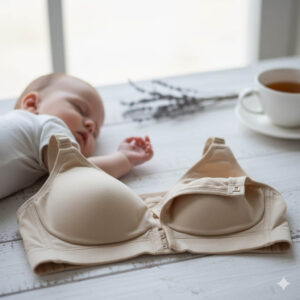
| Necessity | Designed for convenient feeding without having to remove much clothing. Provides comfortable support for sensitive breasts and reduces pressure on milk ducts. |
| Considerations | Comfort: Choose soft, non-wired options to prevent duct compression. Ease of Use: Designs that are easy to open and close with one hand (front opening, top clip, etc.) are best. Sizing: Breasts may increase in size after delivery, so choose a sufficiently roomy size (considering post-feeding volume) if buying in advance. |
| Other Notes | Consider a nursing tank top or sleep bra for comfort during the night. |
| Mandatory | Mandatory (If planning to breastfeed) |
3. Maternity Underwear
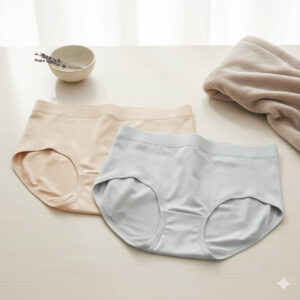
| Necessity | Provides comfortable coverage for the abdomen and securely holds large maternity pads during the heavy discharge of lochia (postpartum bleeding). |
| Considerations | Material & Breathability: Opt for breathable materials like cotton to reduce moisture in the perineal area and aid wound healing. Size: Choose a size that is loose enough to accommodate thick maternity pads. For C-section: Select a low-rise (below the navel) or high-rise (covering the incision) design that minimizes irritation to the wound. |
| Other Notes | Hospitals/postpartum centers often provide disposable maternity panties; check in advance to adjust the quantity you need to purchase. |
| Mandatory | Mandatory (Disposable or regular underwear can substitute, but maternity specific ones are much more convenient) |
4. Nursing Tank Top
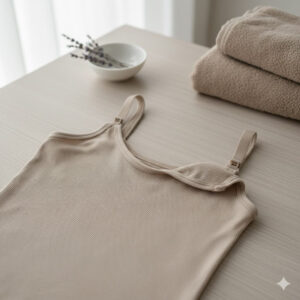
| Necessity | Serves the same function as a nursing bra but in a tank top style, offering comfortable wear under clothes or as sleepwear. Convenient for feeding, especially in warm weather or during night feeds. |
| Considerations | Nursing Access: Available in clip/hook types, or crossover/wrap styles. Choose one that suits your feeding preference. Material: Good for breathable materials like cotton or modal with high elasticity for comfort. |
| Other Notes | While regular comfortable tops can be worn, the dedicated nursing tank top offers superior convenience for feeding. |
| Mandatory | Recommended (Enhances convenience for feeding) |
5. Compression Stockings
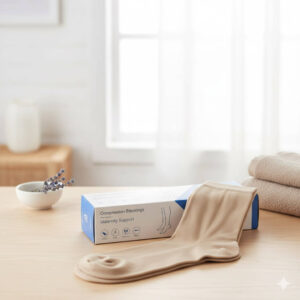
| Necessity | Helps relieve leg swelling that worsens in late pregnancy and postpartum. Crucial for preventing blood clots (thrombosis). Hospitals often require or provide them for C-sections. |
| Considerations | Compression Strength: Choose a product with appropriate medical-grade compression, as overly tight stockings can be uncomfortable. Sizing: Must be sized accurately from ankle to thigh for effectiveness. Length: Available in knee-high or thigh-high options. |
| Other Notes | For C-section: Mandatory from before the surgery. For Vaginal Birth: Recommended for preventing and reducing swelling. |
| Mandatory | C-section: Mandatory / Vaginal Birth: Recommended |
6. Maternity Pads
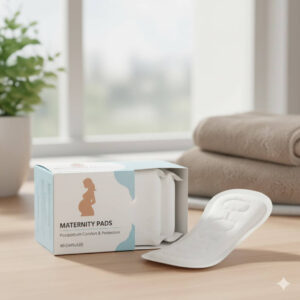
| Necessity | Essential for absorbing lochia (postpartum discharge) that occurs for about 4–6 weeks. They are larger and more absorbent than regular sanitary pads, especially useful in the first few days. |
| Considerations | Absorbency and Size: For the initial heavy flow, large/extra-large or disposable overnight pants are convenient. You can switch to regular pads as the flow decreases. Material: Choose a gentle, low-irritation material as they will be in contact with the perineal area. |
| Other Notes | While hospitals may provide them, consider stocking up for heavy flow days and for use at home after discharge. |
| Mandatory | Mandatory |
7. Sleep Socks

| Necessity | Keeping the body warm is vital to prevent Sanhu-pung (postpartum coldness/joint pain). Socks help maintain body temperature, especially protecting the feet during sleep. |
| Considerations | Warmth: Choose thick, warm materials (fleece, thermal, etc.). Non-Constricting: Select comfortable products that do not constrict the ankles to avoid impeding blood circulation. |
| Other Notes | If the hospital or center is very warm, consider bringing thin cotton socks as well. |
| Mandatory | Mandatory (During the postpartum recovery period) |
8. Postpartum Belly Wrap / Binder

| Necessity | Helps with uterine contraction, promotes lochia discharge, and supports the loosened abdomen and weakened back, aiding in pain relief and posture correction. |
| Considerations | Compression: Choose a product with a firm but comfortable level of compression that does not feel overly restrictive. Timing: For vaginal birth, wear immediately postpartum. For C-section, consult with your doctor based on your incision healing. |
| Other Notes | For C-section: Considered mandatory to protect the incision and support abdominal muscles. Often provided or recommended by the hospital. |
| Mandatory | C-section: Mandatory / Vaginal Birth: Recommended |
9. Wrist/Ankle Supports
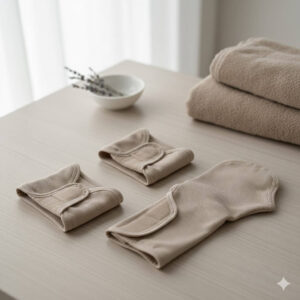
| Necessity | Protects joints that become loosened due to the relaxin hormone during childbirth. Prevents and alleviates wrist/ankle pain that can result from holding the baby and other care tasks. |
| Considerations | Support and Comfort: Choose a material that softly wraps and supports the joint while being breathable and comfortable for long-term wear. Sizing: Avoid products that are too tight. Ensure they do not restrict movement. |
| Other Notes | Wrist use increases significantly after starting baby care, so preparing in advance is important to prevent pain. |
| Mandatory | Recommended (Becomes mandatory if pain occurs after starting baby care) |
10. Perineal Cushion (Donut Cushion)
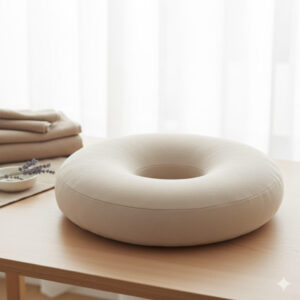
| Necessity | Essential for vaginal birth mothers who have had an episiotomy or tearing, making sitting difficult. It reduces pressure on the painful area for comfortable sitting. |
| Considerations | Cushioning: Choose a product that is not too hard or too soft, with good shape retention. Portability: A product that is easy to carry and wash is good for use in the hospital, center, and at home. |
| Other Notes | Not mandatory for C-section mothers, but can be useful for comfortable feeding or if other discomforts like hemorrhoids are present. |
| Mandatory | Vaginal Birth: Mandatory / C-section: Optional |
11. Nursing Pads
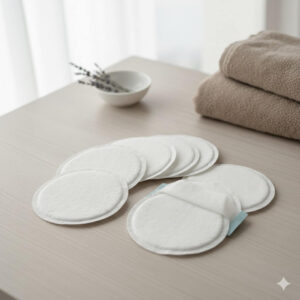
| Necessity | Prevents breast milk from leaking and soaking clothes. Also helps reduce friction between the nipple and underwear. |
| Considerations | Type: Available in disposable and washable cloth versions. Start with disposable to gauge your needs, then switch to cloth for a more economical option if washing is manageable. Absorbency and Adhesion: Choose pads with good absorbency that stay securely attached to the bra. |
| Other Notes | Milk supply varies greatly among individuals, so it is best to buy a small quantity initially and purchase more as needed. |
| Mandatory | Mandatory (If planning to breastfeed) |
12. Nipple Cream (Lanolin Cream)

| Necessity | Alleviates pain and promotes wound healing when nipples become sore or cracked due to the baby’s latch, especially in the early days of feeding. |
| Considerations | Ingredient Safety: Choose products made with pure lanolin or other baby-safe, food-grade ingredients that do not need to be wiped off before feeding. Moisturization: Select a highly moisturizing cream to effectively relieve dryness and cracking. |
| Other Notes | Apply a small amount after each feeding to prevent dryness. |
| Mandatory | Recommended (Reduces feeding discomfort) |
Your health is the foundation of your baby’s happiness.
I hope this list helps you prepare all the necessary and comfortable items for your recovery.